
Guides
How to Choose a Data Quality SaaS Tool
Millions of SaaS tools claim to be the best. Here's how to define your actual requirements, check governance and security, research your shortlist, and compare finalists before you commit.

You can't manage what you don't measure. This chapter covers ten metrics across sales, marketing, and customer success — what each one tells you, and why none of them mean much if the underlying data is wrong.

Metrics tell you what's working and what isn't, and let each team set goals, track progress, and adjust before a bad quarter becomes a bad year. The challenge is knowing which metrics actually matter to your business, out of the volume most companies collect. Below are ten worth tracking, split across sales, marketing, and customer success.
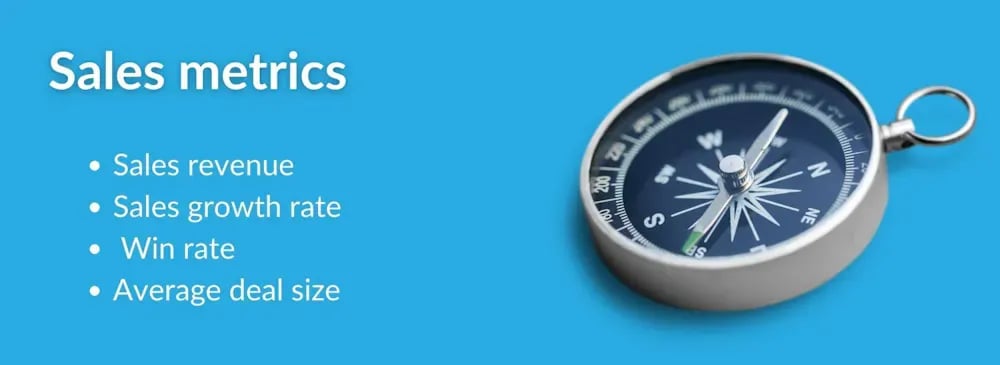
Sales metrics matter because sales leaders can't run on instinct alone — the volume of information involved is too large. Four are worth tracking closely:
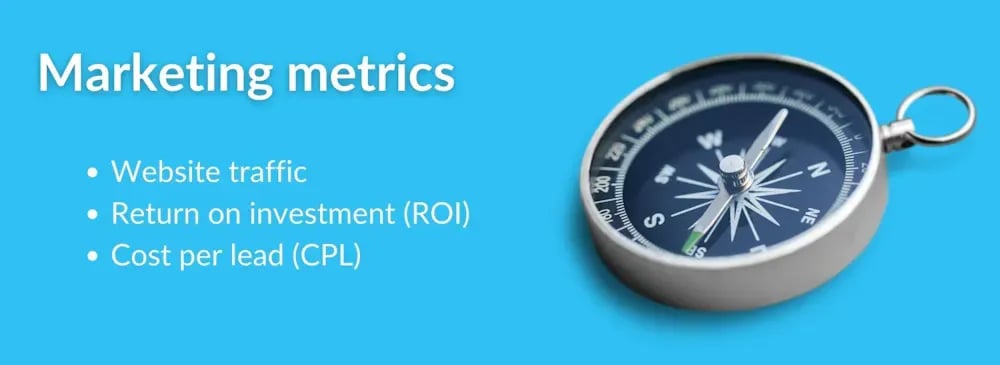
Marketing metrics measure whether campaigns are actually reaching people and converting them. Three are core:
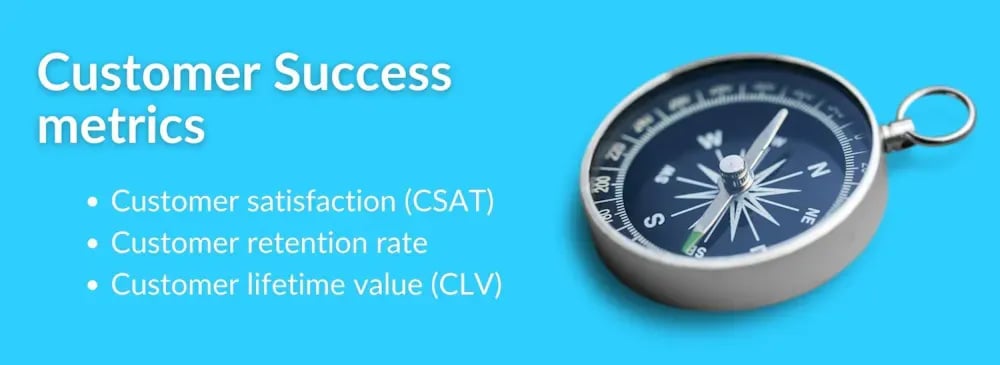
Customer success metrics measure whether customers stay satisfied and keep renewing. Three matter most:
Getting a clear picture takes coordination across teams and tools, since your tech stack determines how you collect data and communicate with customers in the first place. When departments run on siloed tools, the data and communication between them gets siloed too, which is where poor data, miscommunication, and misread metrics start.
Focus first on metrics tied directly to your goals — revenue, customer acquisition cost, retention, satisfaction — rather than tracking everything available. A few practices help:
Use what you learn to adjust strategy, and loop in sales, marketing, and customer success together when you do — insights from one team routinely change what the other two should do next.
None of the ten metrics above mean anything if the data behind them is wrong. If your CRM holds thousands or millions of records with outdated, duplicate, or incomplete information, your revenue numbers, your retention rate, and your CSAT scores are all built on a bad foundation.
This is where Plauti fits: finding and merging duplicate records, standardizing fields, and validating data as it enters your CRM, so the metrics above reflect what's actually happening in your business instead of what your data happens to say.
Guides
Millions of SaaS tools claim to be the best. Here's how to define your actual requirements, check governance and security, research your shortlist, and compare finalists before you commit.
Guides
A marketing tech stack is every tool that runs your marketing, sales, and support work: CRM, CMS, email, analytics. This chapter covers what belongs in one and why data quality decides its success.
Measuring metrics gives teams insight into what's working and what isn't, highlights areas for improvement, and helps set specific goals. Tracking them lets a business adjust strategy and make informed decisions instead of reacting after a problem has already cost revenue.
Sales revenue, sales growth rate, win rate, and average deal size. Together they show how much revenue you're generating, whether your sales strategy is working, how often deals close, and how large those deals are.
Website traffic, return on investment (ROI), and cost per lead (CPL). These show how much interest a campaign is generating, whether it's financially worthwhile, and how cheaply it's producing new leads.
Customer satisfaction (CSAT), customer retention rate, and customer lifetime value (CLV). These show how happy customers are, whether they're staying, and how much value they bring over the full relationship.
Use a combination of quantitative and qualitative methods, review data on a regular schedule, and treat measurement as continuous rather than a one-time report. Bring sales, marketing, and customer success together to review results, since what one team learns should change what the other two do next.
With a product tour you can walk through the product yourself without installing anything, or book a demo for a guided look.